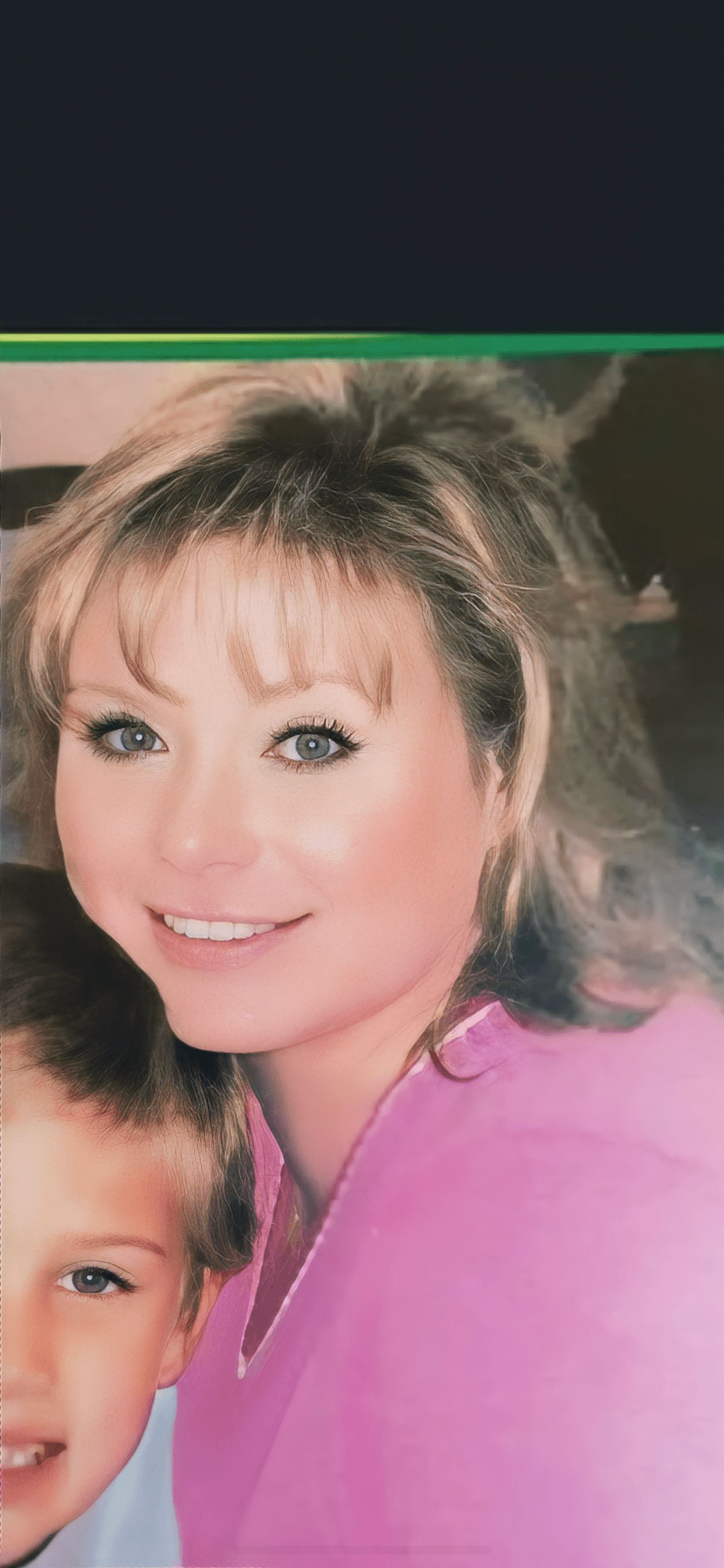
When I was little, my mom was magic.
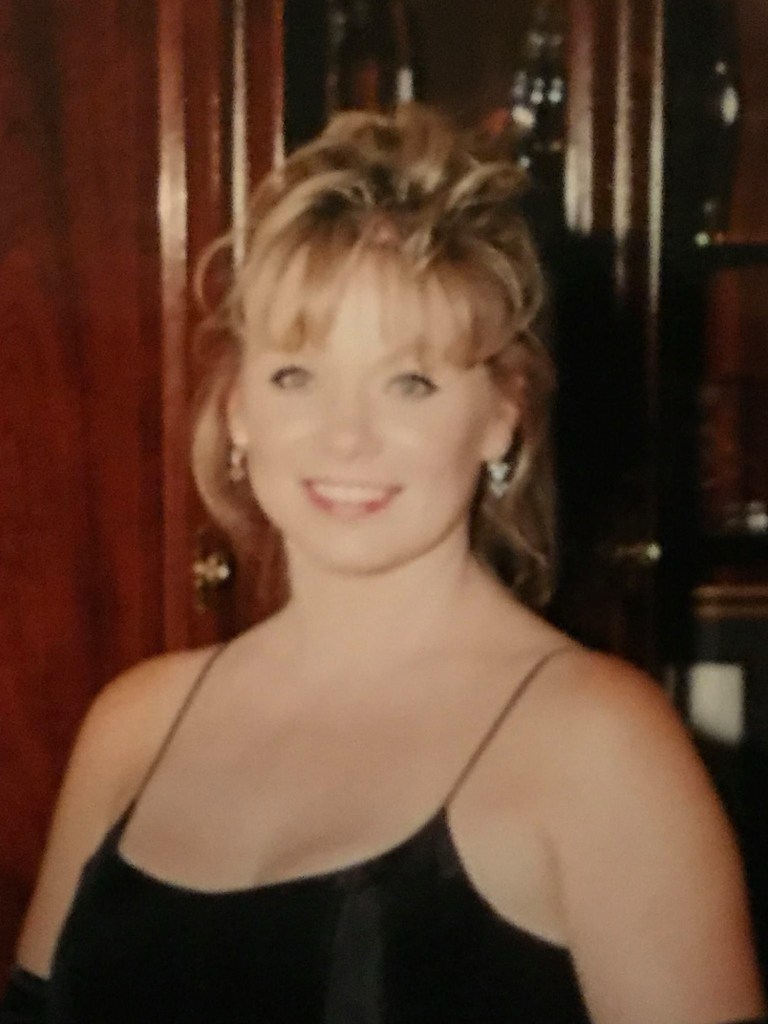
She smelled good all the time. Like perfume and hairspray and something warm I could never quite name. She was beautiful in a way that made people notice. Not just pretty, but polished. Intentional. She went above and beyond for guests, for holidays, for school events. Our house always felt put together, even when I didn’t realize how much work that took.
She dressed me for school. Did my hair. Made sure I walked out the door looking cared for. She was the PTA mom. The mom everyone loved. The kind of mom other kids talked about on the playground.
She had a mean side, even then. But when you are little, you notice the love first.
I don’t know exactly when she started slipping away from me. I’m not sure I’ll ever know the full truth. Somewhere between ten and twelve years old, my mom began disappearing into herself. She stayed in bed for days. Weeks. Crying until it felt like the walls absorbed the sound.
She said it was fibromyalgia. Severe neck and back pain. Some days she screamed and sobbed so loudly that it felt like my chest would crack open just listening. Plans stopped happening. Birthdays were canceled. Promises quietly dissolved.
If friends came over, I learned how to explain it away. How to smile. How to pretend this wasn’t strange or embarrassing or painful. This was just my life.
Looking back now, I think this was the beginning of the drugs.
Years later, she admitted she had been doing meth. Just a line, she said. To stay skinny. To have energy. To keep up with the image everyone loved so much. I think that confession explained more than she realized. It explained the shift. It explained the chaos.
My dad grew angrier. Louder. Scarier.
“Wait until your dad gets home” was not a phrase in our house. It was a warning. One that filled my body with dread long before I ever heard his car pull in. We were forced to choose our own belts for spankings. I remember standing there, so small, thinking the belt with holes in it meant less belt. Less pain. I didn’t understand how wrong I was.
That was the age everything turned violent.
My parents hurt each other. And they hurt us.
I think about the 911 calls I made as a kid and feel sick to my stomach. I can still hear my brother and me screaming for each other, begging for it to stop. The spankings were frequent. Brutal. Terrifying. There were bruises. Marks. And as I got older, something about it felt deeply wrong. Confusing. Shameful.
I stopped having a mom at twelve.
We moved again. And again. But wherever we went, she stayed the same. Locked in her room. Not showering. Not coming out. Not speaking to us. She missed our preteen years. Our teenage years. She did not watch us grow up.
She became cruel in ways that cut deeper than yelling ever could.
She refused doctors. Refused help. If my dad tried to take her to a psychologist, she would scream, kick, cry, and fight until it turned into another explosion. By fourteen or fifteen, I knew whatever they were taking was no longer about energy. I remember the night she finally came to the dinner table and fell asleep sitting upright. My brother and I looked at each other, silent. Something inside us knew this wasn’t normal.
In middle school, she told us that one day when we came home from school, she would already be dead. That God had forgiven her. Every afternoon, we walked through the door not knowing what we might find.
At some point, the threat became unbearable. The fear never left. It just became heavier.
When I was fifteen, she came into my room and told me we needed to escape. Me and her. She said we needed to get away from my dad. Then she told me to make profiles on sugar daddy websites. To find a man who would take care of us.
I didn’t even know what that meant. I thought it was her trying to bond with me. Doing something reckless together. I started messaging men. She asked me for updates.
Only now do I understand what she was really doing.
She was offering up her own daughter in exchange for another chance at life.
That was when I started using drugs. Triple C’s. Cough medicine highs. Anything to quiet my brain. Around that same time, my mom told me I took her beauty from her. That she used to be prettier than me. That having me stole that from her.
She planted pills in my room and told my dad I was taking them. I was punished. Grounded. Stripped of privacy. Eventually, my bedroom door was removed entirely.
At fifteen, I tried to end my life.
I was placed in a mental institution for a week. My parents mocked me for it. Treated it like a joke. They refused to let me continue therapy. I was medicated, but no one asked why I was hurting.
Something in me broke open anyway.
One morning, instead of going to school, I drove to DFACS. I walked inside, cried, and said I was never going back home. I meant it. And I never did.
That day saved my life.
I left with nothing. No clothes. No belongings. No plan. Just a desperate need to survive.
This chapter is about my mom, so the rest of that story will come later. But when I left, she told me I abandoned her. That I left her behind. That sentence followed me for years.
When I was eighteen, she begged me to live with her. She was divorced by then and terrified of being alone. I said yes. She enrolled in cosmetology school with me so she wouldn’t have to sit by herself. We sat in the same classroom, mother and daughter, pretending everything was normal.
I worked nightlife while going to school. I stopped sleeping. My body finally gave out. I started having seizures.
I worked in a salon for six years after that. What ended my career was another abusive relationship. Everyone saw it. Everyone knew. No one could save me from it.
When I finally left, I packed a bag, took my cat Pancake, and checked into a rundown hotel outside Atlanta. I went back to nightlife. Whatever I made that night paid for my room and my food. If I didn’t make money, I didn’t eat.
Some nights my first twenty dollars went straight to food, eaten in the back because I was starving. It was survival. A Motel 6 off Delk Road. A rough neighborhood. A life held together by willpower alone.
My mom showed up there once. She begged me to let her stay with me. With my cat. I had to say no.
Turning her away broke something in me.
Somewhere along the way, my mom became my child. And watching her struggle in the world filled me with a guilt I still carry. Loving her hurt. Leaving her hurt. Staying hurt.
As I write this, I realize this story cannot live in one chapter. My heart can only open so far before it needs to rest.
So this is where I pause.
Not because the story is finished.
But because surviving it took everything I had.
 From Broken to Boss: Becoming Me